

When we talk about NPO sustainability, we usually talk about money.
But organisations depend on many other resources.
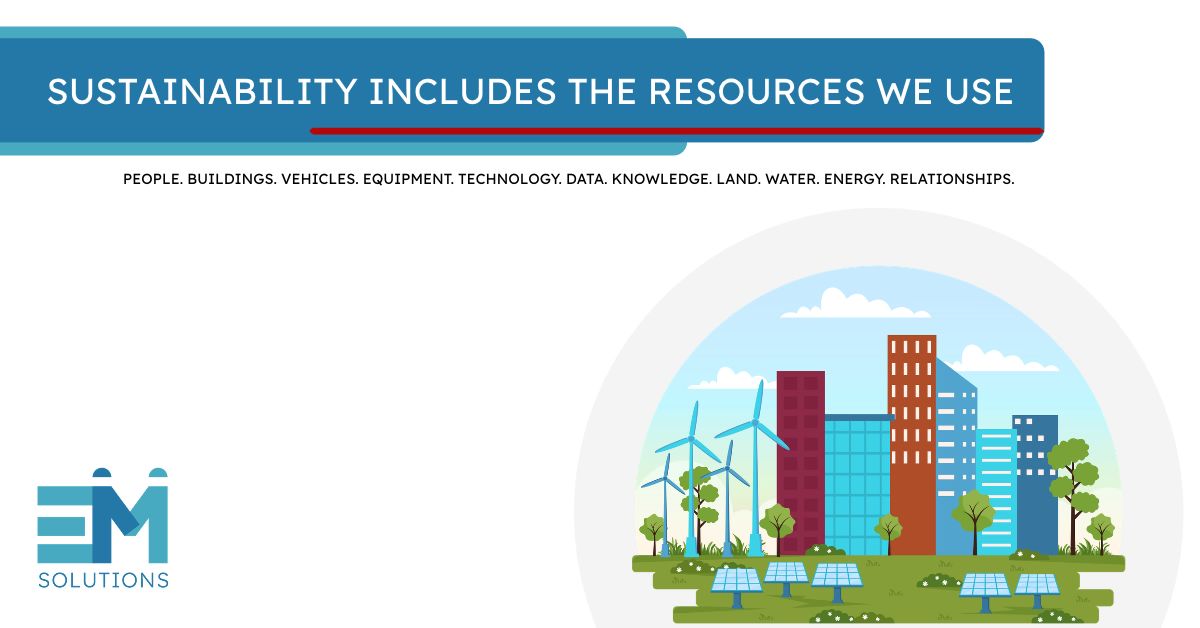
People. Buildings. Vehicles. Equipment. Technology. Data. Knowledge. Land. Water. Energy. Relationships.
All of these need to be managed carefully.
Start with what you already have.
Could your building be used more effectively? Could equipment be shared with another NPO? Could technology reduce administrative work? Could partnerships provide access to resources you cannot afford to purchase?
Thrive Hout Bay provides an interesting South African example. Its work connects environmental sustainability with practical community initiatives including urban farming, training, advisory services and eco-focused activities.
This demonstrates an important principle: Environmental sustainability does not have to sit separately from your social mission.
NPOs can consider energy efficiency, water conservation, waste reduction, responsible procurement, recycling, sustainable travel and environmental risk as part of normal organisational planning.
Resource sustainability also means avoiding unnecessary duplication.
If three organisations in the same community are each buying equipment, running separate training and maintaining separate systems, collaboration might release resources for greater impact.
Try this
Make a list of your organisation’s ten most valuable resources. Then ask: Which are we using well, which are we wasting, and which could we share?
The question isn’t: “How can we get more resources?” Sometimes it is: “How can we use the resources we already have more wisely?”